Advancing Autism-Inclusive Care at IPE Day
The annual Interprofessional Education (IPE) Day was held in April, bringing together more than 1,000 students from nine CUIMC programs and the School of Social Work for a full day of collaborative learning. As is tradition, all regularly scheduled classes across the Medical Center were canceled, making way for three plenary sessions and 25 interprofessional workshops held throughout the campus.
While most workshops were organized by interdisciplinary faculty teams, three sessions were uniquely student-led, highlighting the growing role of trainees in shaping innovative, peer-driven educational experiences.
One such session, “Promoting Equitable and Inclusive Care for Individuals with Autism” focused on advancing autism-inclusive care through interactive, case-based learning.
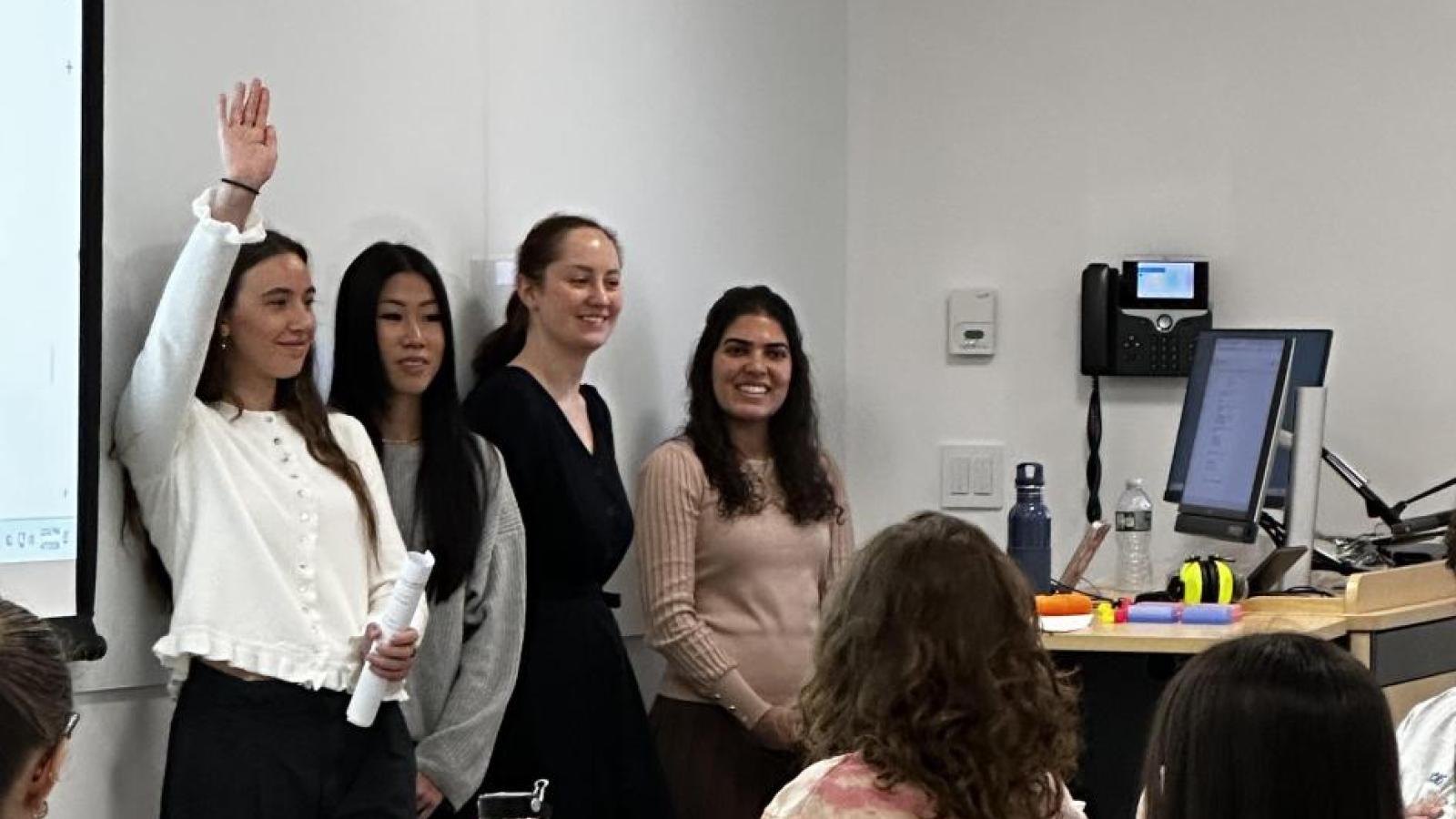
Designed and led by a team of CDM students who are members of the CDM Chapter of American Academy of Developmental Medicine & Dentistry (AADMD) – Jennifer Shamash (DDS’27), Anastasia Golovanova (DDS’27), Tiffany Shay (DDS’29) – and an Occupational Therapy student, Ellie Dunn (OT’27), the workshop challenged participants to think beyond traditional clinical approaches and instead consider how environment, communication, and collaboration shape the patient experience for individuals with autism spectrum disorder (ASD).
Jennifer Shamash, who serves as the Interdisciplinary Chair for the AADMD Executive Board, led the development and execution of the workshop. She selected the topic, designed the escape room activities, and collaborated closely with dental and occupational therapy students to refine the content and presentation. After incorporating feedback from the AADMD Executive Board, she coordinated with pediatric dental residents to source sensory toolkit materials and ultimately spearheaded the workshop’s facilitation on IPE Day.
“Collaborating with my classmates and a student from the Occupational Therapy program to develop and deliver this meaningful workshop was one of the most rewarding experiences of my dental school journey,” said Shamash. “The opportunity to work across disciplines reinforced the value of collaborative care and highlighted the impact of thoughtful education in promoting more equitable and inclusive healthcare.”
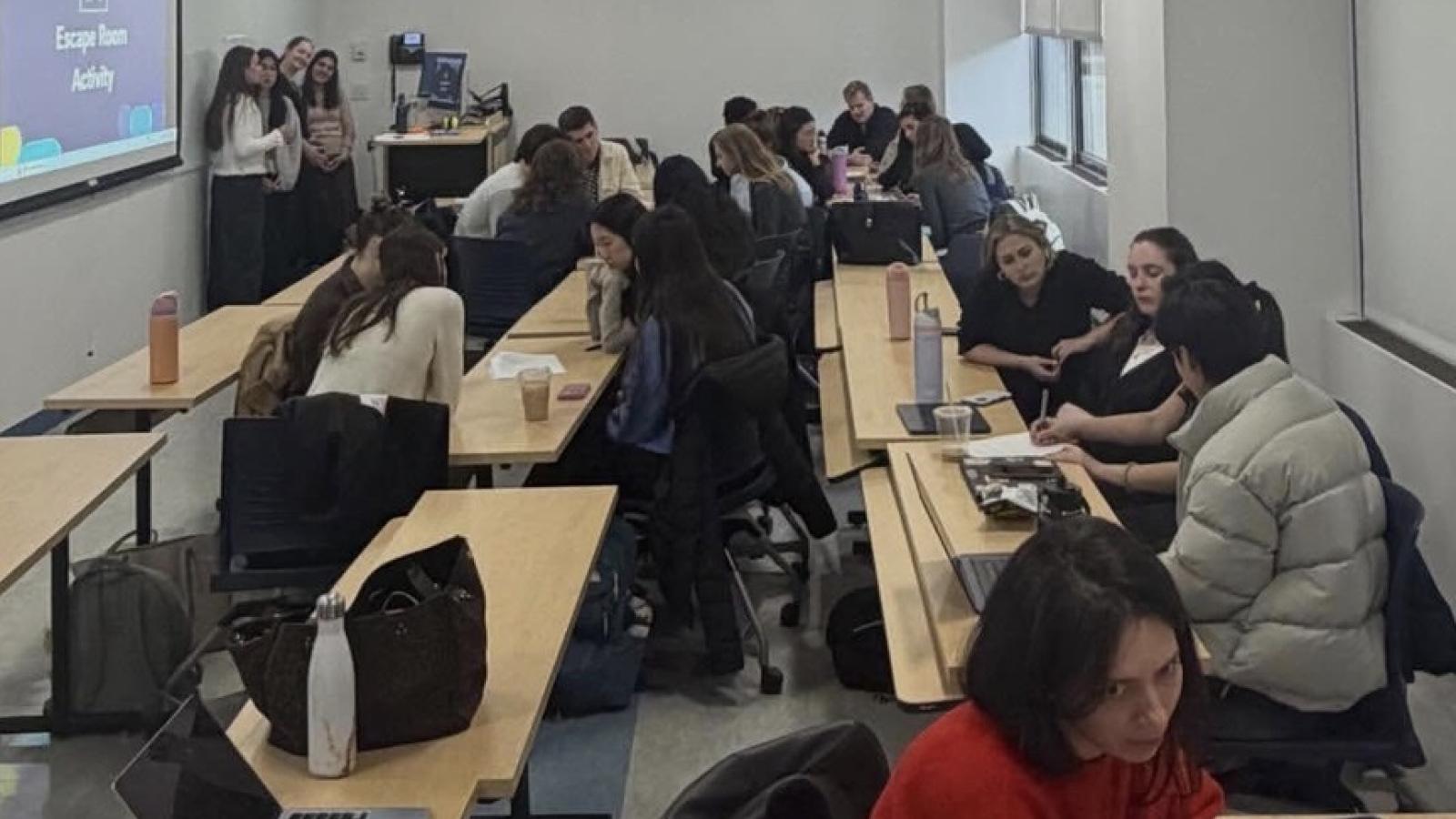
At the center of the program was a series of hands-on, “escape room”-style activities that encouraged students from dentistry, medicine, nursing, occupational therapy, and social work to work together in real time, applying their distinct perspectives to shared clinical scenarios.
A Hands-On Approach to Inclusive Care
Rather than relying solely on lectures, the workshop immersed students in five interactive problem-solving exercises.
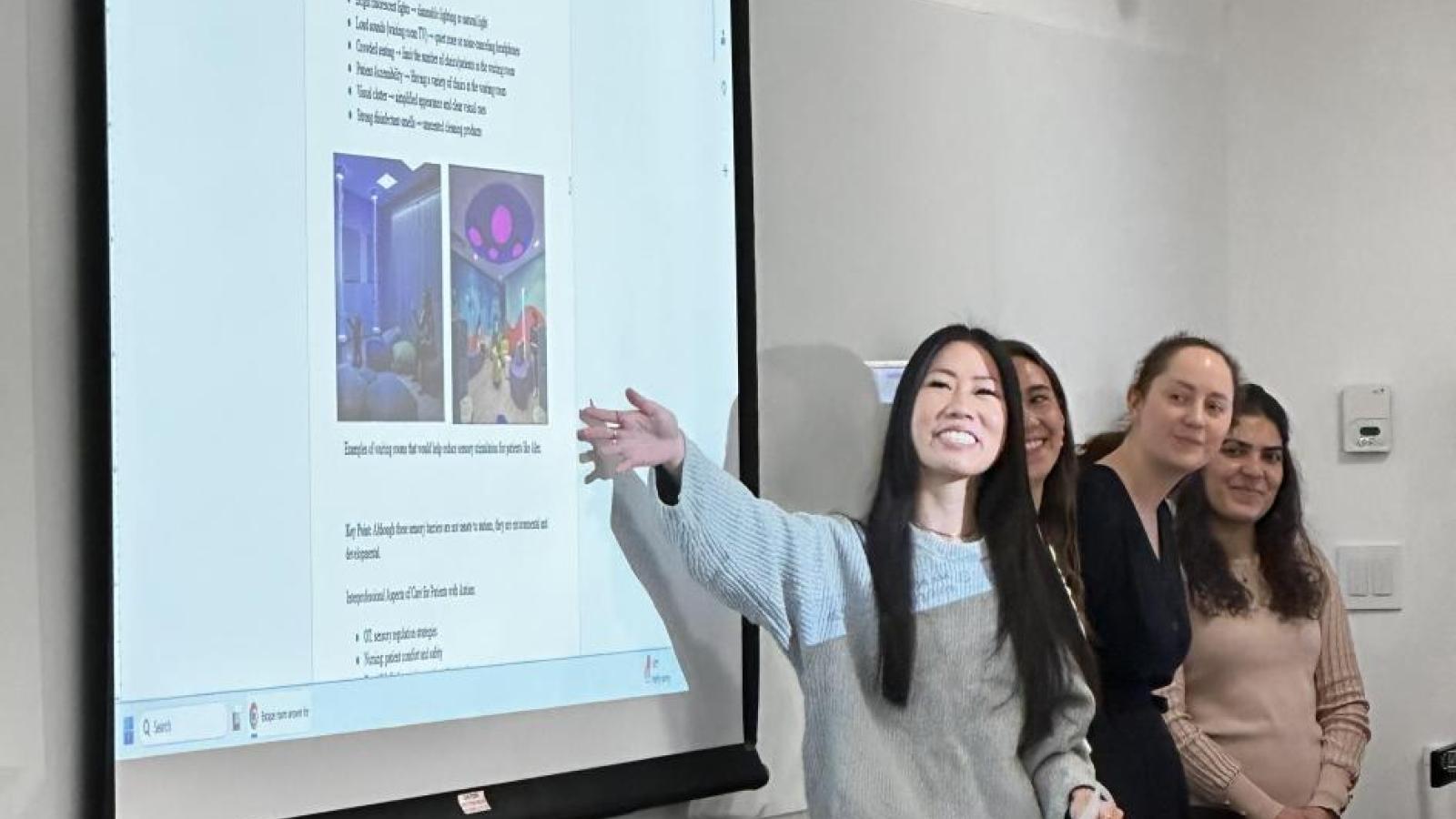
In one activity, participants evaluated a clinical waiting room through the lens of a 16-year-old patient with sensory sensitivities. Students identified barriers related to lighting, sound, and environmental design, and proposed practical adjustments such as dimmed or natural lighting, reduced visual clutter, designated quiet areas, and the use of unscented products.
Another exercise focused on communication, where students transformed complex medical and dental instructions into clear, accessible language supported by visuals and step-by-step guidance. Techniques such as “tell-show-do”—commonly used in dentistry—were emphasized as a way to build trust and predictability for patients.
A third activity challenged participants to identify bias in clinical documentation. Students examined commonly used terms like “non-compliant” and “uncooperative,” and practiced reframing them into objective, context-aware language that supports continuity of care rather than reinforcing stigma.
Students highlighted the impact of these activities on their learning experience. One Vagelos College of Physicians & Surgeons student shared, “I thought this was really helpful in understanding how to better care for patients with autism.” A dental student reflected, “This was an amazing lens into interdisciplinary care for patients with autism. I wish we could get more exposure to it in our curriculum.”
Another student from the Occupational Therapy program noted the value of the hands-on format, saying, “I liked the interactive nature of the workshop and the exposure to potential items that can be placed in a sensory toolkit.”
The Power of Interdisciplinary Collaboration
A central theme of the workshop was the importance of collaboration across disciplines.
In a care-planning exercise, students worked together to support a patient who avoids dental care due to prior negative experiences. Each discipline contributed distinct strategies, from sensory toolkits and desensitization plans to communication techniques, caregiver support, and care coordination, demonstrating how integrated approaches can improve outcomes without relying on restraint or sedation.
The experience underscored how each role contributes to patient-centered care, while also highlighting the gaps that can emerge when disciplines work in isolation.
Key Takeaways for Future Providers
Throughout the workshop and debrief discussions, several core principles of autism-inclusive care emerged:
- Use clear, concrete language and allow time for processing
- Reduce sensory overload through thoughtful environmental design
- Explain procedures before initiating physical contact and obtain consent
- Speak directly to the patient, even when caregivers are present
- Avoid judgmental or deficit-based language in documentation
- Share successful strategies across care settings to support continuity
Above all, the workshop emphasized a critical shift in perspective: effective care is not about changing the individual, but about adapting systems, environments, and communication to support neurodiversity and patient dignity.
Building a Broader Model for Accessibility
The April 7 IPE Day highlights the growing role of interprofessional education in preparing future healthcare providers to deliver equitable, inclusive care.
“This work has the potential to serve as a blueprint not only in healthcare, but across educational and professional settings,” said a College of Dental Medicine student. “Normalizing accessibility considerations is essential to achieving true equity.”
Other student participants echoed this sentiment, noting the value of learning how different disciplines approach the same challenges and how collaboration leads to more thoughtful, effective care solutions.
Looking Ahead
As healthcare systems continue to evolve, initiatives like IPE Day play a critical role in equipping future providers with the tools and perspectives needed to meet diverse patient needs.